


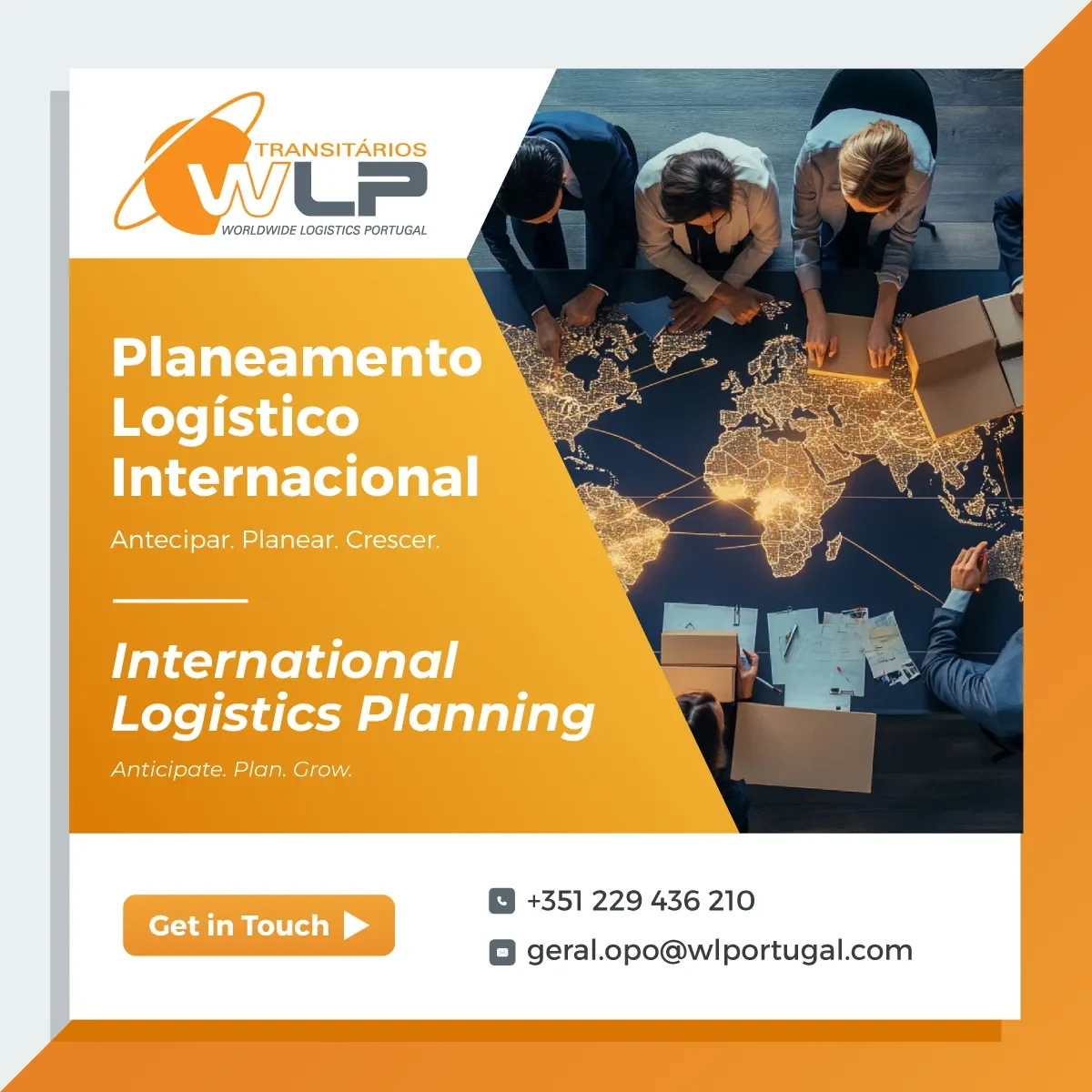
International Logistics Planning: How to Reduce Risks and Increase Predictability
Anticipate. Plan. Grow.
In an increasingly globalized economy, companies operating in international markets face constant challenges related to transportation, supply chains, costs, regulations, and risk management. In this context, international logistics planning has evolved from a purely operational function into a strategic growth tool.
Regardless of industry, well-structured logistics planning helps businesses reduce uncertainty, control costs, and improve operational predictability. More than simply moving goods, it creates the conditions for sustainable and competitive growth.
Why Is International Logistics Planning Important?
International expansion creates new business opportunities but also increases operational complexity.
Regulatory differences, customs requirements, currency fluctuations, transport capacity constraints, and geopolitical developments can all have a direct impact on supply chain performance.
Effective logistics planning enables companies to anticipate challenges, minimize risks, and make better-informed decisions.
1. Reducing Operational Risks
Unexpected delays, port congestion, documentation errors, and supply chain disruptions can affect deliveries and increase costs.
By planning international operations in advance, companies can:
- Identify potential risks;
- Define alternative transportation solutions;
- Prepare the required documentation;
- Reduce the likelihood of disruptions.
The greater the operational predictability, the lower the impact of unexpected events.
2. Improving Financial Control
Logistics has a direct impact on a company’s cash flow and profitability.
Transportation costs, warehousing, insurance, customs duties, and unexpected expenses can significantly affect profit margins.
Effective planning helps companies:
- Forecast costs more accurately;
- Avoid unexpected charges;
- Improve cash flow management;
- Strengthen negotiation capabilities with suppliers and logistics providers.
The result is a more sustainable and financially balanced operation.
3. Increasing Market Responsiveness
International markets evolve rapidly.
Companies that plan their logistics operations effectively can adapt more quickly to changes in demand, new business opportunities, and shifting market conditions.
Operational flexibility becomes a significant competitive advantage.
4. Integrating Logistics, Procurement, and Sales
One of the most common mistakes organizations make is treating logistics as an isolated function.
In reality, logistics should be integrated with procurement, production, sales, and finance.
When these departments work together, companies can:
- Improve inventory planning;
- Prevent stock shortages;
- Reduce operational costs;
- Increase overall efficiency.
Logistics therefore becomes a value-creation driver rather than simply a cost center.
5. The Value of a Strategic Logistics Partner
The complexity of international trade requires technical expertise, analytical capabilities, and continuous monitoring.
Working with an experienced logistics partner provides businesses with strategic insights into markets, routes, regulations, and optimization opportunities.
More than executing transportation operations, the right partner helps improve efficiency, reduce risks, and support business growth.
Conclusion
In an increasingly demanding international environment, business success depends on the ability to anticipate challenges and plan effectively.
International logistics planning is not only about moving goods. It is about reducing risks, controlling costs, increasing predictability, and creating the foundations for sustainable growth.
The most competitive companies are not necessarily those that move the highest volumes. They are the ones that plan best.


