


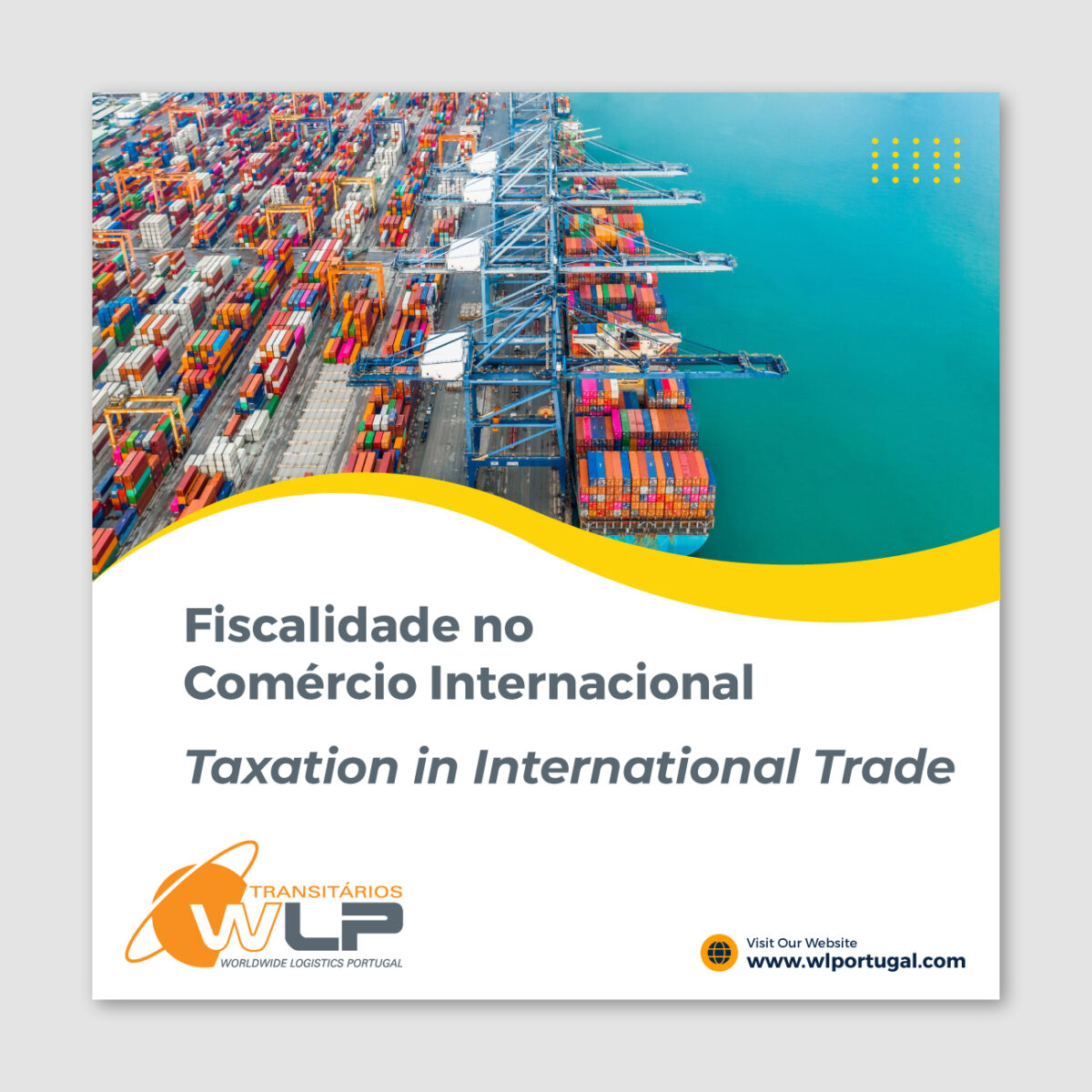
Taxation in International Trade: what companies need to know
In international trade, the movement of goods between countries involves much more than transport and logistics. Each import or export operation is subject to a set of tax and customs rules that can directly influence costs, timelines, and even the viability of a transaction.
For companies operating in international markets, understanding the key tax aspects associated with foreign trade is essential to ensure efficient operations and avoid risks.
VAT in international operations
One of the most relevant aspects of international trade taxation is the treatment of VAT in import and export operations.
In general terms, exports to countries outside the European Union are exempt from VAT, provided they are properly evidenced through the export customs clearance.
Imports, on the other hand, are subject to VAT payment in the destination country, which may subsequently be deducted by companies entitled to deduct input VAT.
In intra-Community transactions between companies established in the European Union, the reverse charge mechanism generally applies, provided that both parties hold a valid VAT identification number for intra-Community transactions.
Correctly identifying the type of operation is essential to ensure tax compliance.
Customs duties and tariff classification
Another key element in international trade is the tariff classification of goods.
Each product has a specific code that determines:
• the applicable customs duties
• possible additional charges
• certification or control requirements
An incorrect classification may lead to delays in the customs clearance process, tax reviews, or unexpected costs for companies.
The importance of documentation
Documentation plays a central role in any international operation.
Among the most relevant documents are:
• commercial invoice
• packing list
• transport documents
• certificates of origin
• customs declarations
Any inconsistency may result in delays or even blockages at customs.
Tax planning and specialized support
In an increasingly regulated global environment, tax planning for international operations has become a critical factor for many companies.
Correctly assessing the tax framework of operations, ensuring proper classification of goods, and maintaining accurate documentation help reduce risks and improve the predictability of logistics operations.
WLP – Worldwide Logistics Portugal works daily with companies operating in international markets, ensuring accuracy and compliance in every operation.


