


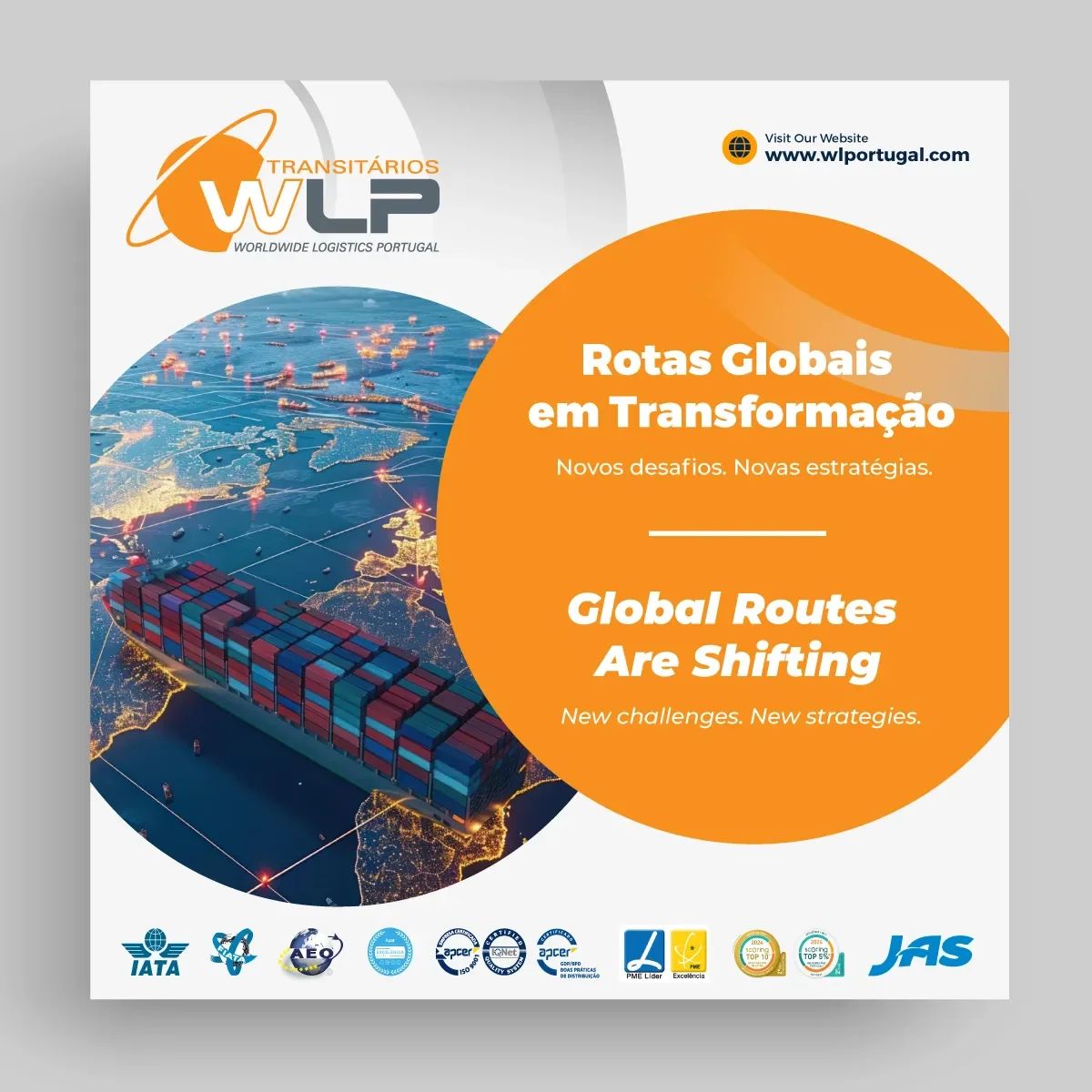
Global Routes Reconfiguration: What is Changing in International Trade?
International logistics is undergoing a profound transformation. In recent years, geopolitical, economic, and operational factors have driven the global routes reconfiguration, forcing exporters and importers to rethink their strategies, suppliers, and supply chains.
But what is really changing — and how can companies adapt?
What is driving global routes reconfiguration?
Changes in trade routes are not random. They result from multiple factors impacting global logistics flows:
- Geopolitical tensions and regional conflicts
- Restrictions in strategic channels (such as Suez or Panama)
- Rising transport and energy costs
- Delivery time instability
- Industrial shifts (nearshoring and friendshoring)
This context is creating alternative routes, new logistics hubs, and a growing need for strategic planning.
Impact on companies: more complexity, more decisions
For companies operating internationally, this transformation brings real challenges:
- Increased unpredictability in delivery times
- Higher operational costs
- Need to diversify suppliers
- Adjustments in Incoterms and logistics planning
- Greater exposure to regulatory and customs risks
At the same time, it creates opportunities for companies that can adapt quickly.
Nearshoring and new logistics dynamics
One of the most relevant trends is nearshoring — bringing production closer to end markets.
This shift is:
- Redefining Asia–Europe routes
- Increasing the importance of European and Mediterranean markets
- Reducing dependency on long and vulnerable supply chains
Result: shorter routes, more control, and greater resilience.
The role of multimodal transport
In a constantly changing environment, multimodal transport plays a key strategic role.
By combining different transport modes (sea, air, and land), companies can:
- Adjust routes in real time
- Mitigate operational risks
- Optimize costs and transit times
- Increase flexibility
Logistics is no longer just operational — it is strategic.
The importance of a logistics partner
In a volatile environment, success depends on anticipation and adaptability.
A strong logistics partner helps:
- Identify alternative routes
- Anticipate risks
- Optimize logistics processes
- Ensure regulatory compliance
Conclusion: adaptability as a competitive advantage
Global routes reconfiguration is not temporary — it is the new reality of international trade.
Companies that adopt a strategic, flexible, and informed approach will be better positioned to face challenges and seize opportunities.
👉 Contact WLP and discover how we can support your business in adapting to global logistics changes.


